
Thermal Imaging Inspection in Stockbridge: What the Camera Sees
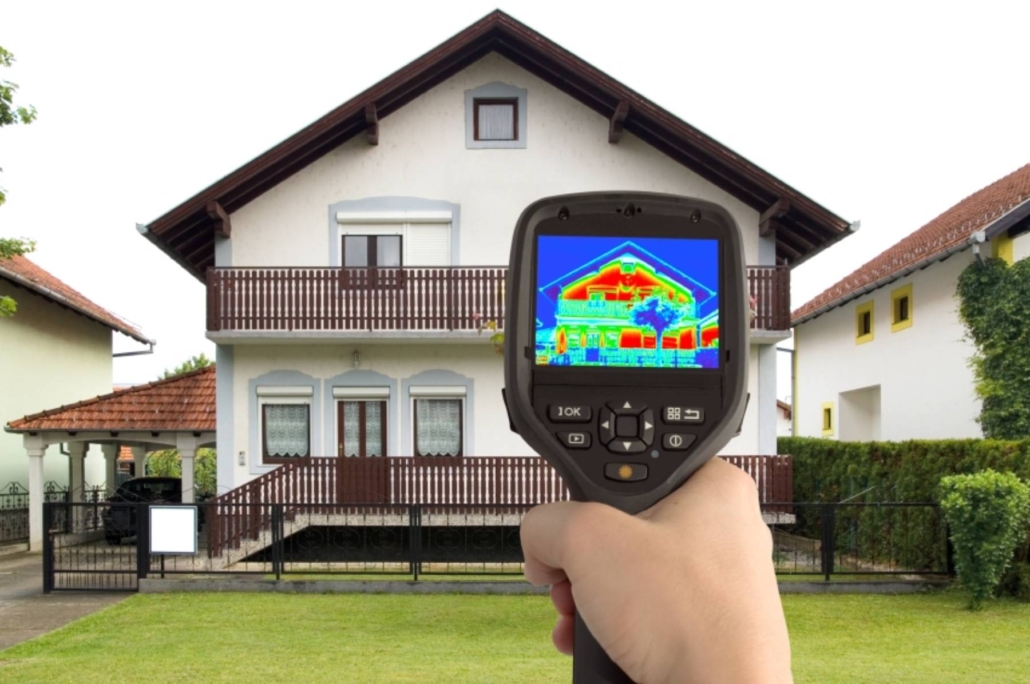
A thermal imaging inspection sounds a little like science fiction, and that reputation leads to some big misunderstandings. Some people expect the camera to see through walls. Others assume it replaces a standard inspection or only works in winter. A thermal imaging inspection is a powerful tool for Stockbridge homes, but it works best when you know exactly what it does and what it does not.
Myth One: The Camera Sees Through Walls
It does not. A thermal camera reads surface temperature, and it shows differences as colors. When heat moves through a wall, ceiling, or floor, those differences appear on the surface and point to something worth investigating. The U.S. Department of Energy explains that infrared scanning can reveal air leakage and thermal defects in the building envelope, and it can show whether insulation is needed, where it belongs, and whether insulation was installed correctly.
The Department of Energy also notes a limit that surprises people. Heat does not always travel in a straight line through a wall, so a warm or cool spot on the surface may come from a source somewhere else. A thermal imaging inspection tells us where to look. A trained inspector still has to work out why.
Myth Two: It Only Works in Winter
Georgia homeowners can relax on this one. According to the Department of Energy, scans work best when there is a temperature difference of at least 20 degrees Fahrenheit between indoors and outdoors. In southern states, that usually means running the air conditioning during warm weather, which describes most of a Stockbridge summer. In some climates the temperature difference needs to be held for a few hours beforehand, a step called thermal loading, so it helps to talk with your inspector in advance. You can read the agency’s full explanation in its guide to thermographic inspections.
What a Thermal Imaging Inspection Can Find
Moisture is a big one. Wet insulation conducts heat differently than dry insulation, so a scan can point to a probable roof leak long before a stain appears on the ceiling. Missing or poorly installed insulation shows up as cold or hot patches where there should be a uniform surface. Air leaks around windows, doors, and attic hatches stand out as well, and those leaks drive up cooling bills through a Georgia summer.
Electrical components are another strength. Abnormally hot connections or breakers can signal a loose connection or an overloaded circuit, which is the kind of problem you want to catch before it becomes a hazard. The same goes for friction heat in mechanical equipment.
Myth Three: It Replaces a Standard Home Inspection
A thermal imaging inspection adds information and does not take the place of a full inspection. The camera is a tool inside a larger process. Our inspectors still walk the property, open panels, test systems, and look at the things that heat patterns cannot show. Pairing the two gives you the most complete picture of a home before you commit.
How to Prepare for a Thermal Imaging Inspection
Preparation helps the scan work well. Furniture and drapes sometimes need to be moved away from exterior walls so the camera has a clear view. Wind makes exterior scans harder, which is why interior surveys tend to be more accurate. If you have questions about timing or conditions, ask before the appointment so the home is ready. A few minutes of planning can make the difference between a useful scan and a rescheduled one.
Questions We Hear Often
Is the camera safe to use in an occupied home?
Yes. A thermal camera only reads heat from surfaces. It does not send anything into the home or change the space in any way.
Will it find every problem in the house?
No tool does. Thermal results show temperature patterns, and our inspector interprets them alongside what we see and measure in person.
Does it matter what the weather is like?
Conditions matter because the scan depends on a temperature difference between inside and outside. We will tell you if a different day would give a stronger result.
Can I add it to a standard inspection?
Yes. Ask us when you book and we will tell you how to combine the two for your property.
Book a Thermal Imaging Inspection in Stockbridge
If you want a closer look at what is happening behind the surfaces of your home, schedule your inspection with EIC Property Inspections and ask about adding a thermal imaging inspection.
EIC Property Inspections proudly serves Atlanta, Morrow, Forest Park, Jonesboro, Decatur, Hampton, Stockbridge, Riverdale, Griffin, Macon, Carrollton, Jackson, and surrounding communities across Metro Atlanta and South Georgia.


Leave a Reply
Want to join the discussion?Feel free to contribute!